
From the surface, Netrani Island looks like a small green island surrounded by the Arabian Sea. But the landscape changes considerably once you look beneath the water. Rocky formations, coral patches, small reef fish and other marine organisms make the surrounding waters an interesting part of Karnataka’s coastal environment.
Located off the Murudeshwar coast, Netrani is known among scuba divers for its underwater surroundings. It is also an area of scientific interest because researchers have documented a variety of marine life associated with its reef habitats.
What makes this underwater environment special is not simply the number of fish. It is the way different organisms share the same space. Coral formations provide surfaces and shelter, fish move between feeding areas, and smaller creatures occupy spaces that are easy to overlook during a casual dive.
Understanding this ecosystem gives visitors another reason to appreciate Netrani Island beyond its reputation as a scuba diving destination.
Where Is Netrani Island and Why Is It Important?
Netrani Island lies in the Arabian Sea off the Karnataka coast, near Murudeshwar. It is an offshore island surrounded by rocky underwater terrain and patchy coral reef formations.
The island is often called Pigeon Island because of the birds found around it. Its surroundings are important not only for tourism but also for marine biodiversity.
Research published by the Central Marine Fisheries Research Institute documented coral reef patches around Netrani and recorded a variety of marine organisms, including fish, sponges, seaweeds, molluscs and crustaceans.
A 2008 study reported 14 coral species belonging to 11 genera in the surveyed reef area. It also recorded 92 fish species in its wider species inventory. These findings helped bring attention to the ecological value of this offshore island.
The study is particularly interesting because it shows that Netrani is more than a scenic location in the Arabian Sea. It supports a complex marine environment worth understanding and protecting.
What Lies Beneath the Water?
1. Coral Formations: More Than Colourful Underwater Structures
When people hear the words coral reef, they often imagine large tropical reefs with bright colors stretching across the ocean floor. Netrani’s reef environment is different in scale and structure, but its coral formations are still important habitats.
Corals are living animals that form colonies. Over time, their hard structures create surfaces and spaces that other marine organisms can use.
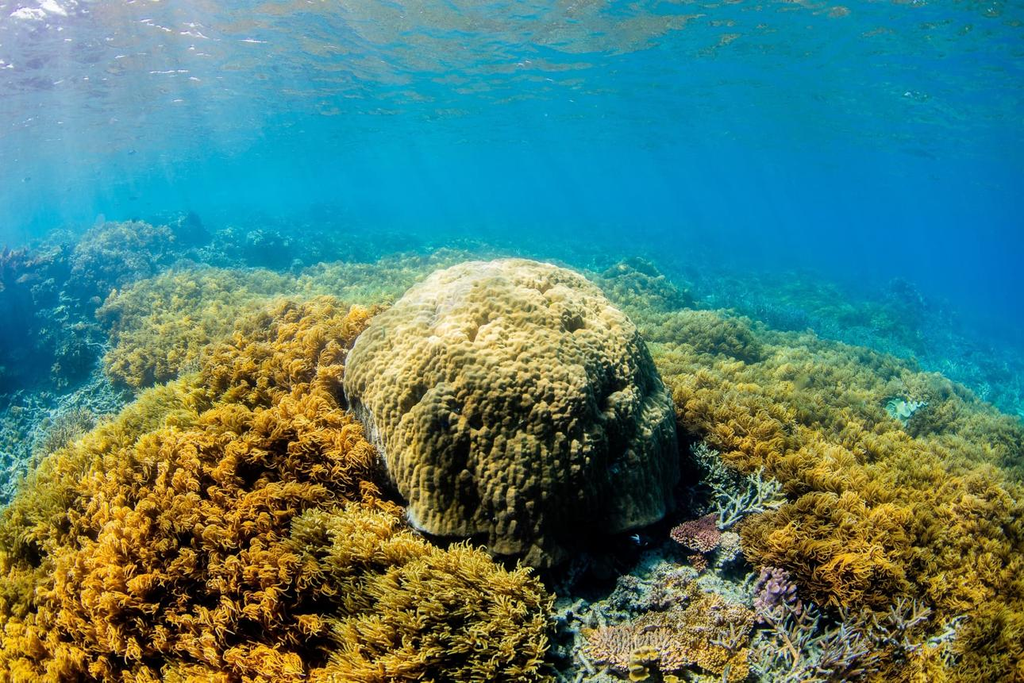
Around Netrani, published research has documented different coral groups, including massive and plate-forming varieties. Their shapes create different surfaces and spaces across the reef.
Some coral formations look rounded and compact, while others spread out in layered structures. These differences influence the small spaces available for marine organisms to shelter and feed.
It is worth remembering that coral is living habitat, not underwater decoration. Touching, standing on or collecting coral can damage a reef that may take a long time to recover.
2. Reef Fish: A Busy Underwater Community
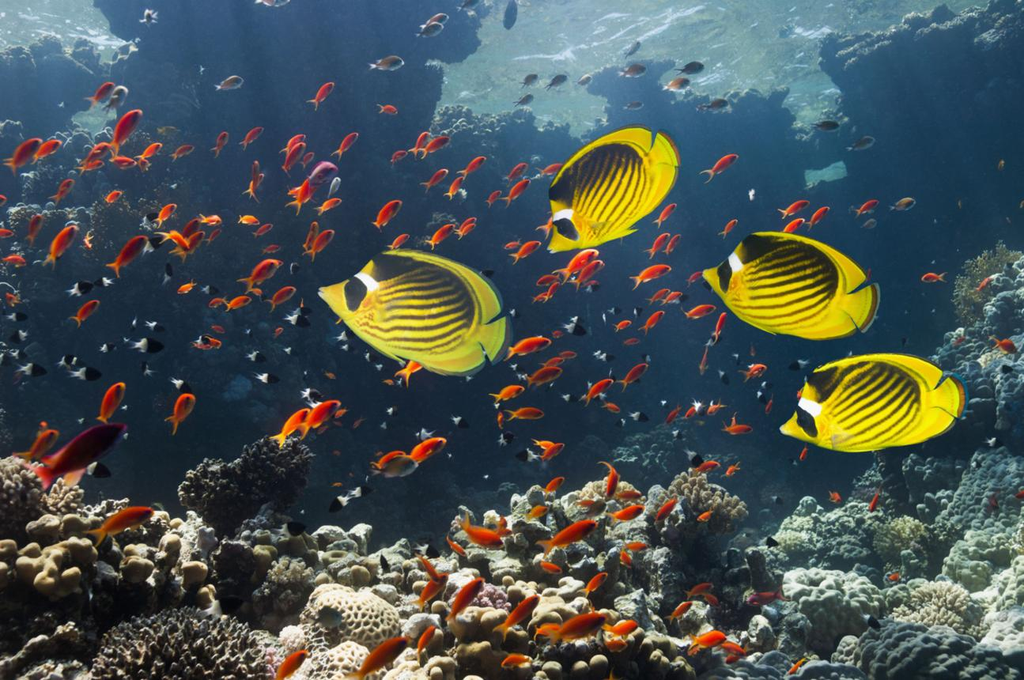
Fish are among the most noticeable residents of a reef. They move through the water, feed around reef structures and use the habitat in different ways.
A scientific survey published in the Indian Journal of Fisheries in 2011 recorded 69 fish species across four surveyed sites around Netrani Island. The study showed that the reef supports a varied fish community rather than a single dominant type of fish.
Different species have different roles. Some feed on algae, some search for small invertebrates, and others move through the water in schools.
The fish you may encounter during a dive can vary with the location, depth, visibility and conditions on the day. No particular species should be treated as a guaranteed sighting.
3. Smaller Marine Creatures That Often Go Unnoticed
Not every interesting reef resident is a large or colourful fish.
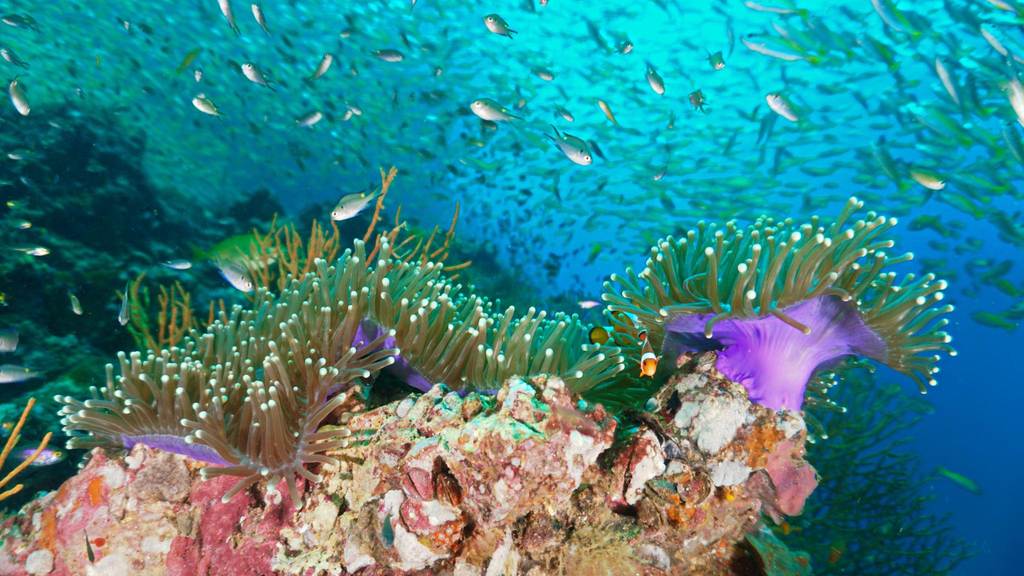
Look closely at the rocky surfaces and reef surroundings, and you may find smaller marine organisms such as shrimps, crabs, molluscs, sea cucumbers and nudibranchs.
Some blend into their surroundings. Others have striking colors or unusual shapes that make them fascinating subjects for underwater photography.
These creatures are important parts of the wider ecosystem. They contribute to feeding relationships, nutrient cycling and the everyday activity taking place around the reef.
The smaller details are often what make a reef interesting to people who enjoy observing marine life rather than simply swimming past it.
How Does a Coral Reef Support Marine Life?
A reef is not just a collection of coral structures. It is a habitat where many organisms interact.
Coral formations provide shelter and surfaces for other organisms. Fish use the reef for feeding and protection, while invertebrates occupy small spaces among rocks and coral structures.
Algae and other marine plants also contribute to the ecosystem. They form part of the food supply for some reef organisms and are involved in the movement of energy through the habitat.
These relationships are interconnected. A change in one part of the ecosystem can influence other organisms that depend on it.
That is why reef conservation matters. Protecting the habitat helps preserve the conditions that allow different marine species to continue living around the island.
What Can Scuba Divers Learn from Netrani’s Reef?
A scuba dive offers a chance to observe the underwater environment from a different perspective.
Instead of looking at the sea only as open water, divers can notice how the reef changes across different areas. One section may have rounded coral formations, while another may contain rocky surfaces, fish schools or smaller marine organisms.
For first-time divers, the experience can also introduce the idea that underwater exploration involves more than taking photographs. It requires paying attention to the surroundings and moving carefully through the water.
A responsible diver should:
- Maintain proper buoyancy and avoid contact with the reef.
- Never stand, sit or rest equipment on coral.
- Avoid chasing or touching fish and other marine animals.
- Keep a safe distance from marine life.
- Follow the dive team’s instructions.
- Avoid leaving litter or other materials in the water.
Good diving habits help protect the same environment that makes the experience worthwhile.
Why Is the Netrani Reef Ecosystem Worth Protecting?
Coral reefs and associated marine habitats can be affected by several pressures.
Fishing activity, discarded nets and lines, marine litter, physical contact and changing environmental conditions can all create problems for reef organisms.
Research and monitoring work around Netrani have highlighted concerns about abandoned or lost fishing gear becoming entangled with coral. Such material can cause physical damage and affect the health of marine organisms.
The Central Marine Fisheries Research Institute has also reported observations of derelict fishing gear in Netrani’s reef area, including damage to coral formations.
These findings remind us that underwater habitats are not protected simply because they are out of sight. They need attention and responsible management.
Visitors can contribute in small but meaningful ways by following operator instructions, avoiding contact with the reef and taking all waste back to shore.
Best Time to Explore Netrani Island’s Underwater Environment
The experience around Netrani Island depends on sea conditions, visibility and the operating arrangements of the dive provider.
The post-monsoon and drier months are commonly considered for planning diving trips, but the actual suitability of a particular day must be confirmed with the operator.
Before making travel arrangements, ask about:
- Whether trips are operating on your selected date.
- Expected boat departure and return arrangements.
- Current sea conditions.
- Visibility information, if available.
- The diving location and participant requirements.
- Safety procedures and package inclusions.
Visibility can change, and marine life does not follow a fixed schedule. A good underwater experience is about appreciating the environment you encounter rather than expecting a particular photograph or species.
Explore Netrani Island with Coast To Coast Adventures
For travellers visiting Murudeshwar, Netrani Island offers an opportunity to discover a different side of the Karnataka coast.
Its underwater environment has attracted both divers and researchers, with published studies documenting coral formations and a diverse community of marine organisms.
If you are interested in seeing this environment for yourself, Coast To Coast Adventures can help you enquire about available scuba diving experiences around Netrani Island.
Ask about the boat arrangements, package inclusions, participant requirements and current sea conditions before confirming your trip.
Explore Netrani diving and discover the underwater world of the Arabian Sea.
Coast To Coast Adventures
Murudeshwar, Karnataka, India
Phone: +91 88678 82841
Website: https://coasttocoastadventurers.in/
Frequently Asked Questions
1. What is the Netrani Island reef ecosystem?
The Netrani Island reef ecosystem is a marine habitat surrounding the island off Karnataka’s coast. It includes coral formations, reef-associated fish and other organisms such as sponges, molluscs, crustaceans and seaweeds.
2. Are there coral reefs around Netrani Island?
Yes. Scientific surveys have documented patchy coral reef formations around Netrani Island, including different coral species and associated marine life.
3. What marine life can be found around Netrani Island?
Research has recorded a variety of reef fish and other marine organisms around the island. Fish, sponges, seaweeds, molluscs, crustaceans and other invertebrates form part of the wider marine community. Actual sightings during a dive vary.
4. Is Netrani Island suitable for scuba diving?
Netrani Island is a recognised scuba diving destination in Karnataka. Diving trips depend on sea conditions, operator arrangements and participant suitability.
5. How many fish species have been recorded around Netrani Island?
A 2011 research study recorded 69 fish species across four surveyed reef sites around the island. This is a finding from that particular study, not a count of every species currently present.
6. Why are coral reefs important for marine biodiversity?
Coral reefs provide habitat, shelter and feeding areas for many organisms. They support interactions between fish, invertebrates, algae and other marine life.
7. How can divers protect the Netrani reef?
Divers can help by maintaining good buoyancy, avoiding contact with coral, not touching or feeding marine animals, following their guide’s instructions and ensuring no litter is left behind.
8. Can beginners explore the underwater environment at Netrani Island?
Beginners can enquire about guided scuba diving experiences. Participation depends on the operator’s requirements, safety briefing and suitability assessment.
9. Is underwater visibility always clear at Netrani Island?
No. Visibility changes with weather, water movement, season and local conditions. Check with the dive operator for information about the planned trip.
10. How can I enquire about scuba diving at Netrani Island?
Contact Coast To Coast Adventures on +91 88678 82841 or visit https://coasttocoastadventurers.in/ to ask about available packages and departure arrangements.
Netrani’s reef is more than a place to dive. It is a living marine habitat, and every visitor has a part to play in keeping it healthy.