
A drive along Karnataka coast can take you past coconut groves, quiet beaches, rivers, fishing villages and stretches of green hills. What makes this landscape interesting is that these places are not separate from one another. The sea, rivers and forests are part of a much larger natural system shaped in part by the Western Ghats.
Running parallel to India’s western coastline, the Western Ghats influence rainfall patterns, river systems and the region’s biodiversity. Their forests and hills help sustain many of the landscapes that make coastal Karnataka such an interesting place to explore.
This connection is easy to appreciate around Murudeshwar. A visit here can include time at the beach, a temple visit, a look at the surrounding coastline and, depending on conditions and arrangements, an excursion towards Netrani Island.
If you are searching for places to visit in Murudeshwar, it is worth looking beyond the familiar landmarks and understanding the natural environment that makes this part of Karnataka distinctive.
The Western Ghats form a long mountain chain along India’s western side. In Karnataka, the hills lie inland from the coastal belt and influence the weather, water and vegetation of the region.
Moisture-laden winds from the Arabian Sea meet the mountain slopes during the southwest monsoon. This contributes to heavy rainfall in the Western Ghats and coastal districts. Several rivers also rise in the Ghats and flow west towards the Arabian Sea.
These rivers connect forested uplands with the coast. Along their routes, they support freshwater habitats, agricultural land, estuaries and other ecosystems.
The result is a landscape where mountains, rivers, wetlands, beaches and the sea are closely connected.
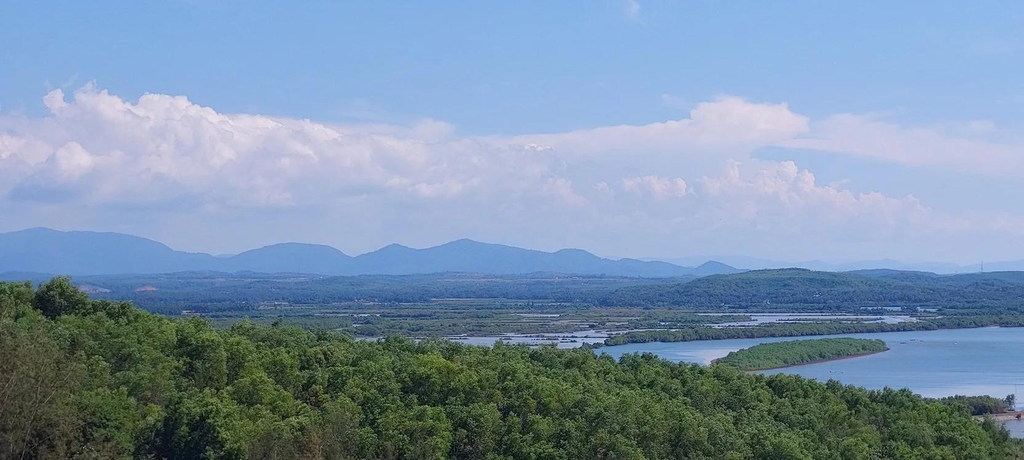
Green Western Ghats hills meeting Karnataka coastal landscape
Anyone who has traveled along the Karnataka coast during or just after the monsoon will recognize the change in the landscape. Hillsides become greener, streams fill up and vegetation grows thick along roads and riverbanks.
The Western Ghats play an important role in this rainfall pattern. Their elevation forces moisture-laden air to rise, cool and release rain. This helps sustain forests and freshwater systems across the region.
The heavy monsoon also affects travel. Some roads, trails and coastal activities may be unsuitable during periods of intense rain, so visitors should check local conditions before setting out.
Many rivers that begin in the Western Ghats travel westwards through Karnataka before reaching the Arabian Sea.
The Sharavathi, Aghanashini and Netravathi are examples of rivers associated with this western-flowing drainage system.
As rivers approach the coast, they form estuaries and other water environments where freshwater and seawater meet. These places support fish, birds, mangroves and communities that depend on fishing and agriculture.
The rivers also help explain why Karnataka coast is more varied than a series of beaches. There are backwaters, river mouths, wetlands and green riverbanks to discover as well.
The Western Ghats are recognised internationally for their biodiversity. Their forests provide habitats for a wide range of plants and animals, including species found nowhere else.
The coastal region has its own variety of habitats, from sandy shores and rocky stretches to estuaries and mangrove areas.
These ecosystems are connected, although each has its own conditions and wildlife. Protecting forests, rivers and coastal habitats helps maintain the natural balance of the wider region.
The landscape changes considerably between the dry months and the monsoon.
During the rainy season, forests and hills become lush, rivers carry more water and the sea can become rough. In drier months, visitors may find it easier to plan beach outings, sightseeing and suitable marine activities.
The weather is not simply a matter of choosing a sunny day. Rainfall, river flow and sea conditions all influence how people use and experience the coast.
Murudeshwar is a good starting point for exploring this part of Karnataka. Its well-known temple and beach are close to one another, while the surrounding region offers opportunities for short coastal excursions.
The Murudeshwar Temple complex stands on Kanduka Hill, with the Arabian Sea surrounding much of the headland.
The towering Shiva statue is one of the most recognisable sights in the area. Visitors also come to see the temple, walk through the surrounding complex and enjoy the coastal views.
The site is especially interesting because of the way its architecture and religious significance sit within the natural setting. Take time to look beyond the main landmark and notice the changing views of the sea.
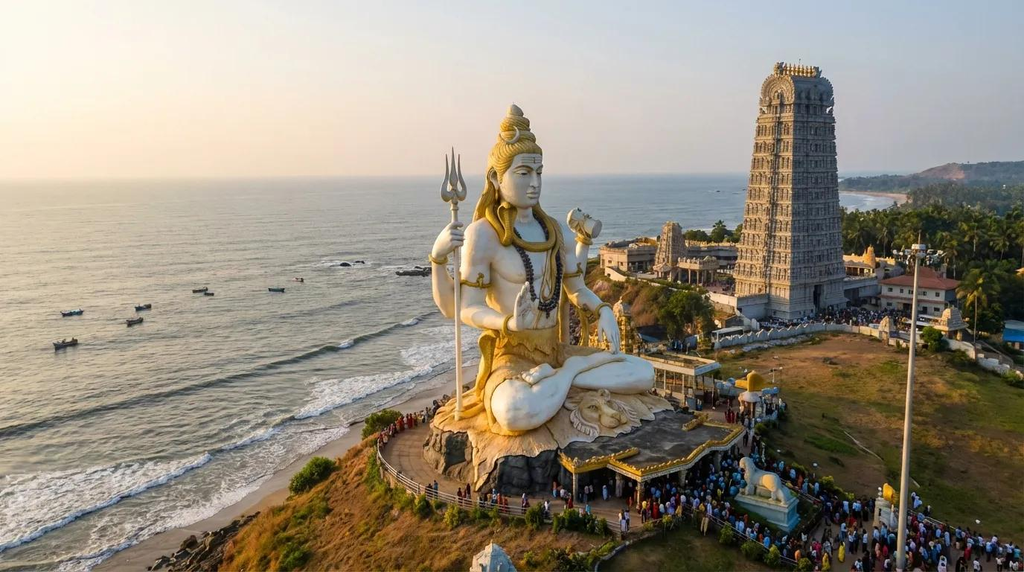
Located beside the temple complex, Murudeshwar Beach is an easy place to include in a sightseeing plan.
Some visitors come for a walk along the shore, while others simply spend time watching the waves and looking back towards the temple and statue.
The beach can be busy at popular times. Check local conditions before entering the water, and follow any safety notices or restrictions.
Netrani Island is an offshore destination known among visitors for its marine environment and scuba diving experiences.
Reaching the island involves a boat excursion, and trips depend on sea conditions and operator arrangements. It is a different experience from visiting a beach: the journey itself gives you a view of the coastline from the water.
Visitors interested in scuba diving should check the available packages, safety arrangements, departure details and current operating conditions before booking.
If you have more time, consider adding nearby destinations to your itinerary.
Mirjan Fort: A historic fort known for its laterite walls, gateways and green surroundings. It offers a change of pace from beach sightseeing.
Gokarna: A coastal town with temples and well-known beaches, including Om Beach and Kudle Beach. It is worth considering as a separate day trip or overnight stop, depending on your travel schedule.
Yana: Known for its striking rock formations and forest setting. The visit involves walking, so check access and local conditions before travelling.
Idagunji: A well-known temple destination in the region, suitable for visitors interested in the religious heritage of coastal Karnataka.
These destinations are spread across the region, so check driving distances and travel times before trying to include them all in one day.

The connection between the land and the sea is easy to notice at the dining table.
Coastal Karnataka cuisine uses ingredients from the sea, local farms and the surrounding landscape. Fish preparations, prawn curries, rice-based meals, coconut and regional spices are common features of the area’s food culture.
If you enjoy seafood, look for local fish meals and regional preparations at established restaurants. Vegetarian travellers will also find South Indian meals, dosas and traditional thalis.
Food is part of the experience of visiting a coastal town. Trying a local meal and speaking with people who live in the area can tell you as much about a destination as visiting its popular landmarks.
The coastline is more than a place for sightseeing. Rivers, estuaries, rocky shores and marine habitats support different forms of life, and the condition of these environments influences what visitors may experience in the water.
Around Netrani Island, visitors enquire about scuba diving and other marine experiences. Underwater visibility and marine life sightings can change with weather, water conditions and the location chosen by the dive team.
A responsible visit means following the operator’s instructions, avoiding contact with marine life and leaving natural habitats undisturbed.
The same care applies on land. Avoid leaving litter on beaches, do not disturb wildlife and respect local rules around protected areas.
The best time depends on what you want to do.
The months after the southwest monsoon are often more convenient for general coastal sightseeing. The landscape remains green, while conditions may become more suitable for planning beach visits and boat excursions.
During the monsoon, the region can be especially beautiful, but heavy rainfall and rough seas may affect road travel, beach access and marine activities.
If Netrani Island or a water-based experience is part of your plan, confirm operations directly with the provider rather than relying only on seasonal assumptions.
A visit to Murudeshwar can be as relaxed or as activity-filled as you want it to be. You might spend the morning exploring the temple, take a walk along the beach and set aside another day for a marine experience around Netrani Island.
Coast To Coast Adventures can help you enquire about available marine experiences around Murudeshwar and Netrani Island.
Before confirming, ask about the date, departure arrangements, package inclusions, sea conditions and safety procedures.
Explore Karnataka coastal destinations and discover marine experiences with Coast To Coast Adventures.
Website: https://coasttocoastadventurers.in/
Phone: +91 88678 82841
Popular places include Murudeshwar Temple and the Shiva statue, Murudeshwar Beach and Netrani Island. Nearby destinations such as Mirjan Fort, Gokarna and Yana can also be considered if you have more time.
The Western Ghats influence monsoon rainfall, river systems, vegetation and biodiversity. Rivers flowing from the hills towards the Arabian Sea also help sustain estuaries and coastal habitats.
Yes. Rivers such as the Sharavathi, Aghanashini and Netravathi flow westwards through Karnataka and reach the Arabian Sea.
Netrani Island is an offshore island visited by boat from the Murudeshwar area. Confirm the departure point, journey arrangements and operating conditions with your chosen operator.
Scuba diving trips are offered by operators when conditions and operating arrangements permit. Check current availability, package details and participant requirements before booking.
Coastal Karnataka is known for seafood preparations, fish meals, prawn curries, rice dishes and coconut-based flavours. Vegetarian meals and traditional South Indian dishes are also available.
The monsoon brings lush scenery and heavy rain. It can be a rewarding time for some kinds of sightseeing, but rough seas and weather may restrict beach and marine activities. Check local updates before travelling.
One or two days can cover the main temple and beach attractions. Allow additional time if you want to include Netrani Island or nearby destinations such as Gokarna and Mirjan Fort.
Murudeshwar is more than a beach stop. It is a place where the hills, rivers, coast and sea come together. Take time to explore the landscape, enjoy the local culture and experience the coast responsibly.